

Do You Need a Dummy Ticket for an Italy Visa Application?
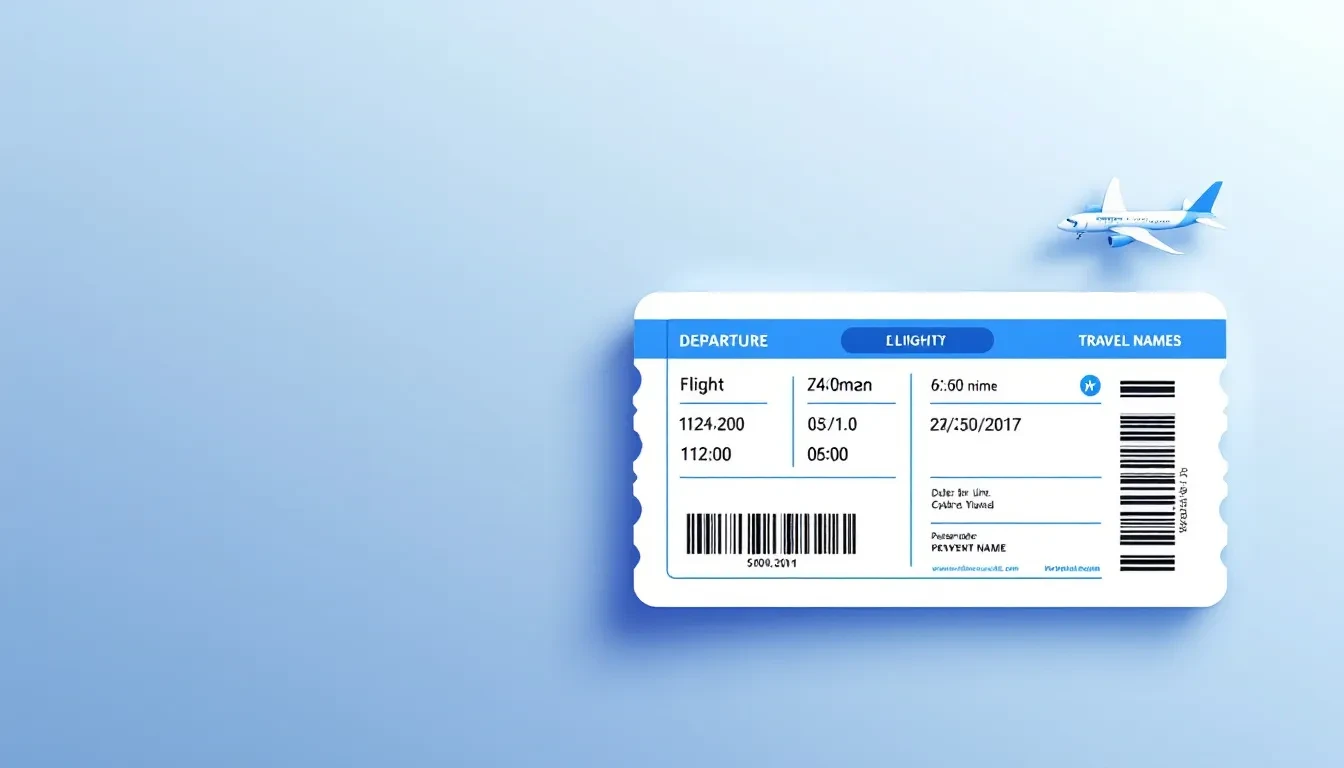
Applying for an Italian visa involves more than simply filling out forms and booking an appointment. One of the most common questions travellers ask is whether they need to purchase an actual flight ticket before their visa is approved. Since international airfare can be expensive and visa outcomes are never guaranteed, many applicants look for safer alternatives.
This is where a flight reservation or temporary booking becomes relevant. Understanding how consulates assess travel evidence, what documents are expected, and when a reservation is sufficient can help applicants avoid unnecessary financial risks while preparing a stronger application package. Knowing the role of a dummy air ticket for Italy visa application can make the process clearer and less stressful.
Why Flight Reservations Matter During
the Italy Visa Process
When reviewing a visa request, immigration authorities want evidence that the applicant has a genuine purpose of travel and intends to leave the destination before the authorised stay expires. Flight information helps officials evaluate the credibility of the proposed journey.
A flight reservation serves several important purposes:
● Demonstrates intended entry and exit dates.
● Supports the consistency of accommodation bookings.
● Helps verify the duration of the visit.
● Provides evidence of planned international travel.
● Assists officers in assessing the overall application.
Because of these reasons, many applicants include a dummy ticket for Italy visa submissions instead of purchasing a fully paid ticket before receiving a decision.
Understanding What a Dummy Ticket
Actually Is
The term often creates confusion among first-time applicants. A dummy ticket is not a fake document. Instead, it is a temporary flight reservation issued by an airline or travel service that contains booking details without requiring a full ticket purchase.
How It Differs from a Confirmed
Flight Ticket
A confirmed ticket usually involves full payment and a finalised booking. In contrast, a reservation remains valid for a limited period and primarily serves as proof of intended travel.
Why Applicants Prefer This Option
Travellers often choose reservations because visa processing timelines can change unexpectedly. Purchasing non-refundable airfare before receiving a decision may result in financial losses if plans change.
This practical approach explains why the dummy ticket for the Italy visa requirement is frequently discussed among applicants preparing documentation.
Is It Accepted by Italian
Authorities?
In many cases, authorities request evidence of travel arrangements rather than proof of a purchased flight. However, applicants should always review the latest official instructions because requirements can vary depending on nationality, application category, and processing centre.
Situations Where a Dummy Ticket Can
Be Helpful
Not every traveller faces the same circumstances. The usefulness of a flight reservation depends on the nature of the trip and the applicant's risk tolerance.
1. First-Time International
Travellers
Individuals with limited travel history often benefit from presenting organised documentation that clearly demonstrates their intentions.
2. Travellers Applying Months in
Advance
Booking expensive airfare several months before approval can be risky. A reservation provides flexibility while still satisfying documentation expectations.
3. Applicants Managing Tight Budgets
Many travellers prefer avoiding significant upfront expenses until their visa is granted. Using a dummy ticket for Italy visa applications helps reduce financial exposure.
4. Family or Group Travellers
When multiple people are applying together, airfare costs can become substantial. Temporary reservations allow families to coordinate plans before making final purchases.
How Flight Reservations Fit Into the
Overall Application Package
A flight reservation should never be viewed as a standalone document. Visa officers evaluate the entire application rather than focusing on one item.
The strongest applications usually demonstrate consistency across all records. Your reservation should align with:
● Hotel bookings.
● Planned sightseeing activities.
● Length of stay.
● Financial evidence.
● Employment or business documentation.
For example, if your flight reservation indicates a ten-day stay but your accommodation covers only four nights, questions may arise during assessment.
This is why the dummy ticket for the Italy visa should support a broader and coherent application narrative.
Common Mistakes Applicants Should
Avoid
Many visa refusals are linked to inconsistencies rather than the absence of a specific document. Understanding common errors can help applicants prepare more effectively.
1. Using
Unreliable Reservation Sources
Applicants sometimes submit reservations from unknown providers that cannot be verified. Any travel-related document should appear authentic and professionally issued.
2. Providing
Contradictory Travel Dates
Your booking dates must match accommodation reservations and planned activities. Discrepancies can create doubts regarding genuine intentions.
3. Ignoring
Expiration Periods
Reservations often expire within a short timeframe. Applicants should ensure submitted documents remain valid when the application is reviewed.
4. Submitting
Incomplete Supporting Evidence
A flight reservation alone cannot compensate for weak financial records or missing Italy visa documents. Every component of the application contributes to the final assessment.
Beyond Flight Reservations: Other
Documents That Strengthen Your Case
Applicants often focus heavily on travel bookings while overlooking other equally important requirements.
1. Travel Planning and Consistency
A detailed travel itinerary can help demonstrate how the trip will unfold. It provides additional context regarding destinations, accommodation, and daily activities.
2. Financial and Personal
Documentation
Authorities need confidence that travellers can fund their trip independently and return home after the visit.
3. Supporting Records
Important visa supporting documents may include employment letters, bank statements, accommodation confirmations, and proof of ties to the home country.
4. Interview Preparation
Although not always required, some applicants may undergo an Italy visa appointment where travel arrangements and trip objectives are discussed. Consistent documentation makes answering questions easier.
What Many Successful Applicants Do
Before Submitting Their Application
Experienced travellers often follow a structured approach rather than rushing through the process.
They typically:
● Review all embassy requirements carefully.
● Prepare a complete visa checklist before submission.
● Organise supporting records chronologically.
● Verify that dates match across documents.
● Confirm accommodation and transportation details.
● Keep copies of all submitted paperwork.
Some applicants also seek professional guidance. For example, a student planning an Italy tourist visa application from North India may consult Flytouch Overseas, a visa and immigration consultancy in Chandigarh that assists applicants with documentation review, appointment support, and procedural guidance to help ensure applications are prepared correctly.
In many situations, services offering dummy air ticket booking solutions can also assist applicants who need temporary reservations while finalising their travel arrangements.
How Flight Reservations Influence
Application Assessment
A reservation alone does not determine the outcome of a visa request. However, it contributes to the overall credibility of the application.
Visa officers evaluate whether the proposed journey appears realistic. Factors such as accommodation, financial resources, planned activities, and a documented return ticket expectation all help establish genuine travel plans.
When supported by accurate travel documentation, a well-prepared reservation can strengthen confidence in the application and contribute positively toward potential visa approval.
The key is ensuring that every document tells the same story. A properly prepared Schengen visa application should present a complete and consistent picture of the traveller’s intentions.
Making the Right Choice Before You
Book Your Flight
Choosing whether to purchase a confirmed ticket or use a reservation depends on your personal circumstances, budget, and risk tolerance. For many applicants, a dummy ticket for Italy visa submissions offers a practical way to demonstrate travel intentions without committing to expensive airfare prematurely.
The most important consideration is accuracy, consistency, and compliance with official requirements.
Before submitting your application, review every document carefully and ask yourself a simple question: Does the entire application clearly explain who you are, why you are travelling, and when you intend to return? If the answer is yes, you are already taking an important step toward a stronger visa application.

No comments