

Jute Rugs in Melbourne Homes: The Soft Natural Fibre, Where It Works and How to Look After It
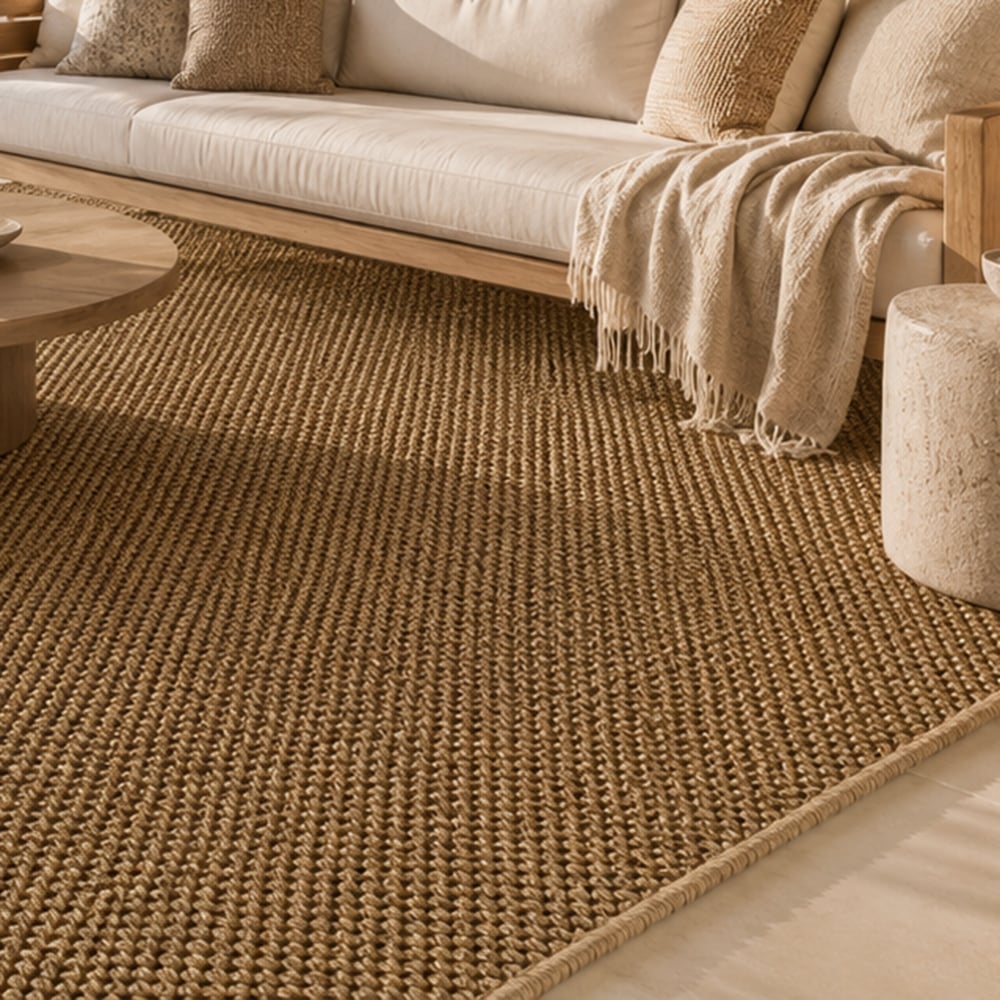
Among natural fibre floor coverings, jute is the one people tend to fall for first. Its warm golden tone, soft hand and chunky, relaxed texture give a room an immediate sense of ease. It is no surprise that jute rugs have become a fixture in Melbourne homes, from Northcote cottages and Hawthorn period homes to Southbank apartments styled in pared-back Japandi and Scandinavian palettes.
Yet jute is also the most frequently misunderstood natural fibre. Buyers who choose it for its softness are sometimes surprised when it sheds, flattens in a busy hallway or marks after a spilt glass of water. None of this makes jute a poor choice. It simply means jute has a specific job it does very well, and a few jobs it is not designed for. This article explains what jute is, why it feels the way it does, and how to place and care for jute rugs so they suit the way Melbourne households live.
Where Jute Comes From
Jute is a bast fibre, meaning it comes from the stem of the plant rather than the leaf. It is harvested from two species of Corchorus, grown predominantly in the warm, wet river delta regions of Bangladesh and eastern India. Jute is a fast-growing annual crop, usually ready for harvest around four months after sowing, and it relies heavily on monsoon rainfall rather than irrigation.
After harvest, bundles of stalks are submerged in slow-moving water in a process called retting. Over a couple of weeks, microbial action softens the tissue that binds the fibres to the woody core, allowing the long fibre strands to be stripped away, washed and dried in the sun. The finished fibre has a natural sheen that earned jute its nickname, "the golden fibre".
Jute has a long history as a packaging material. Hessian, also known as burlap, is woven jute, and generations of Australians grew up with jute in the form of potato sacks and wool bales. Its use in interiors draws on that same strength and affordability, but with finer spinning and more considered weaves.
Why Jute Feels Different From Sisal and Seagrass
Jute's softness is its defining quality. Compared with the stiff leaf fibre of sisal or the smooth, rope-like strands of seagrass, jute fibres are finer and more pliable. They can be spun into soft, thick yarns that bend easily, which is why jute rugs often feel closer to wool underfoot than to other plant fibres.
That softness has consequences:
• Durability. Softer fibres crush and abrade more readily, so jute shows wear sooner in high-traffic zones than sisal or seagrass.
• Shedding. New jute rugs commonly release loose fibres for the first few weeks or months. This settles down with regular vacuuming.
• Moisture sensitivity. Jute absorbs water easily and can develop brown marks, known as browning, when wet. Prolonged dampness can also lead to mildew.
• Light sensitivity. Natural jute can lighten noticeably in strong direct sun, especially through north- and west-facing glazing.
Understanding these traits is the key to placing jute rugs where they will thrive.
Styles of Jute Rug
Jute is remarkably versatile in construction, and the style you choose affects both the look and the performance.
Braided and chunky weaves
Thick plaited jute, often stitched into round or oval rugs or woven in chunky rectangular patterns, is the most recognisable style. It is plush, textural and casual, ideal for relaxed living rooms and bedrooms. Thick, loose constructions are also the most likely to shed and to snag on claws or furniture legs.
Flatweaves and herringbones
Tighter flatweaves and herringbone patterns use finer jute yarns for a flatter, more tailored surface. They are less likely to shed heavily, slightly more durable, and sit more neatly under furniture. They suit more formal rooms and modern interiors.
Bleached and dyed jute
Jute can be bleached to a paler, sandy tone or dyed, though natural golden-brown remains the most popular. Paler jute suits light Scandinavian palettes, while the natural tone pairs beautifully with timber, terracotta, olive and rust.
Jute and wool blends
Blending jute with wool combines jute's natural texture with wool's resilience, softness and better tolerance of moisture and soiling. For many Melbourne households, a jute–wool blend is a smart compromise for living areas that see more traffic than pure jute would ideally handle.
Where Jute Rugs Work Best in Melbourne Homes
Bedrooms
Bedrooms are jute's natural habitat. Traffic is low, people walk barefoot, and softness underfoot is valued, particularly on cold winter mornings when the alternative is chilly floorboards. A jute rug under the lower half of the bed or a pair of jute runners either side adds warmth and texture with little risk.
Formal lounges and reading rooms
Front rooms in period homes often act as quieter sitting spaces or libraries, separate from the busy family area at the back of the house. These rooms suit jute beautifully: they get modest traffic and benefit from jute's warmth against original fireplaces, plaster cornices and timber floors.
Apartments and low-traffic living areas
In apartments occupied by one or two people, living room traffic is often light enough for a well-made jute rug to perform well. Jute also softens the acoustics of hard concrete and engineered timber floors.
Layering
A popular styling approach is to layer a smaller patterned or wool rug over a larger jute base, or to layer jute over wall-to-wall carpet to add texture. Layering also helps protect the jute in the zones of heaviest use.
Where Jute Is Less Suitable
Being realistic about jute's limitations will save frustration later. Jute rugs are generally not ideal for:
• Entrances and hallways. Constant foot traffic and grit flatten jute and wear it quickly. Coir, sisal or a tight seagrass runner is usually a better fit.
• Dining areas. Chairs dragged back and forth abrade the fibres, and food and drink spills are frequent. A tightly woven sisal or seagrass rug, or a wool flatweave, tends to be more practical.
• Kitchens, bathrooms and laundries. Water and jute do not mix well.
• Homes with heavy pet traffic. Claws snag loops and braids, and pet accidents can permanently mark jute.
• Rooms near outdoor living areas. Wet feet coming in from the garden or pool area are a risk, particularly in summer.
Practical Tips for Melbourne Conditions
Use a rug underlay. Jute rugs can be relatively light and may slide on polished boards or concrete. A quality underlay keeps the rug in place, reduces wear and adds cushioning.
Watch the condensation. Melbourne winters bring condensation on windows, and rugs that extend under streaming windows or against damp external walls can pick up moisture. Keep rugs clear of these zones and ventilate rooms each morning.
Keep clear of heating vents. Ducted heating vents blow hot, dry air that can dry and discolour jute. Position rugs so vents remain uncovered.
Manage sunlight. If your jute rug sits in a sunny north-facing living room, rotate it every few months and use blinds during the hottest part of the day to keep fading even.
Mind damp holiday homes. If you are furnishing a coastal or hills holiday house that sits closed for weeks at a time, jute may be prone to mustiness. Airing the house regularly or choosing a fibre less susceptible to damp is wise.
Caring for Jute Rugs
Regular maintenance
Vacuum jute rugs regularly using suction only, or with the beater bar switched off, to avoid pulling loose fibres. For smaller rugs, taking them outside and giving them a good shake is an effective way to dislodge grit from deep in braided weaves. Shedding in the first few months is normal and will reduce over time.
Dealing with spills
Blot liquids immediately with a dry, white cloth, working from the outside of the spill inwards. Never rub, which pushes liquid deeper and can distort the fibres. Use as little water as possible on any residue, and dry the area quickly with a hairdryer on a cool or low setting. Dry cleaning powders designed for natural fibres can help lift light soiling.
Deeper cleaning
Avoid steam cleaning, soaking or hot-water extraction, all of which risk browning, shrinkage and mildew. For significant stains or a general refresh, use a professional rug cleaner experienced with natural fibres.
Rotating and flipping
Rotate jute rugs every few months so wear and sun exposure are spread evenly. Some reversible jute rugs can also be flipped, effectively doubling their wear surface.
Is Jute the Right Choice for You?
Jute suits people who prioritise softness, warmth and a relaxed natural aesthetic, and who are happy to place their rugs thoughtfully. It suits bedrooms, quiet sitting rooms and lightly used living spaces, and it is often among the more affordable natural fibre options. If your main priority is maximum durability in a high-traffic family room, sisal, seagrass or a jute–wool blend may serve you better. Many homes end up with a combination: jute in bedrooms, a tougher fibre in the living and dining zones.
Conclusion
Jute rugs offer a softness and warmth that few other natural fibres can match, along with an earthy golden tone that sits comfortably in Melbourne's period homes and modern apartments alike. The key to enjoying jute is to respect its nature: place it where traffic is light and moisture is unlikely, use an underlay, rotate it regularly and keep cleaning dry and gentle. Approached that way, a jute rug can bring years of comfort and texture to the rooms where you most like to slow down.
If you are comparing textures in person, Floorspace is a Melbourne natural fibre flooring specialist with a range of jute and wool–jute rugs available to homes throughout Melbourne and surrounding suburbs, alongside sisal and seagrass options for busier rooms.

No comments